How Electric Vehicles Are Accelerating Tech Innovation in the Automotive Industry
The Rise of Electric Vehicles
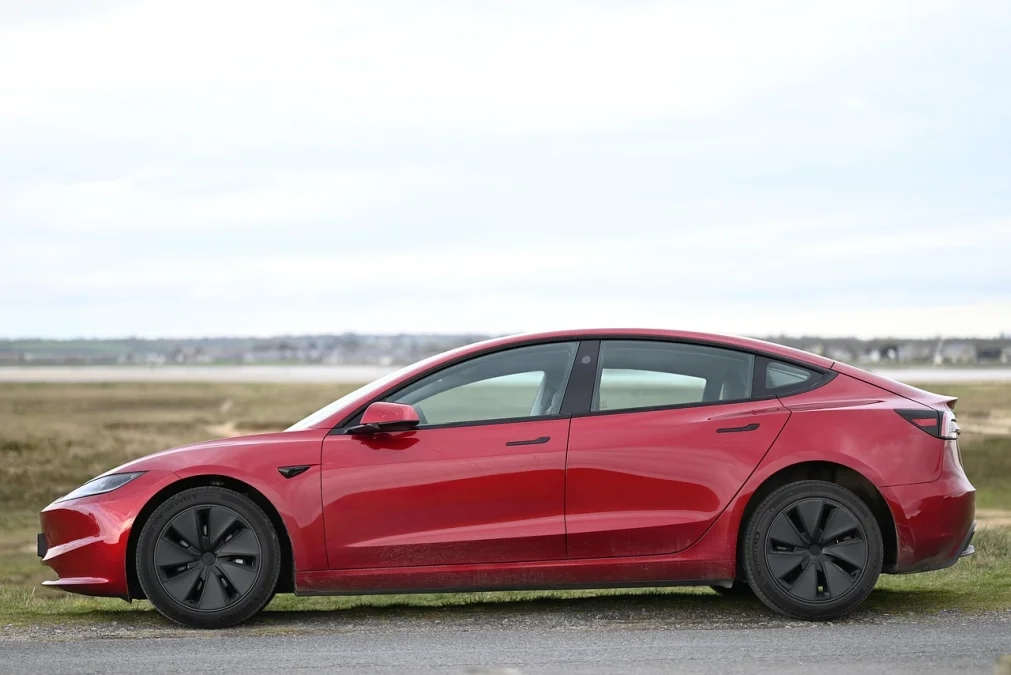
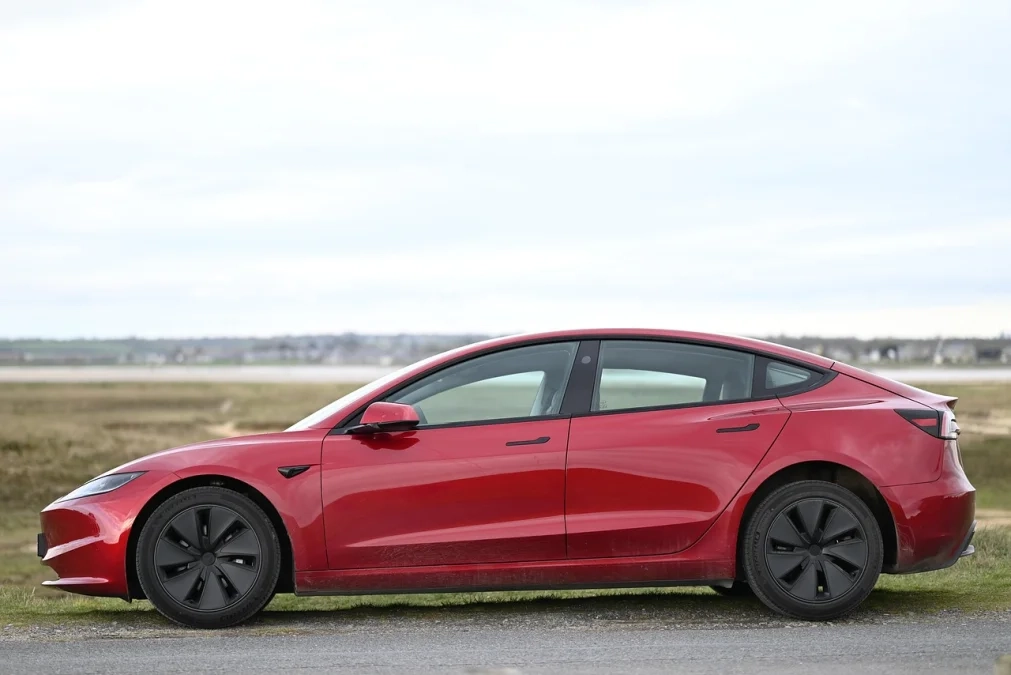
The transition from traditional internal combustion engines to electric vehicles (EVs) has revolutionized the automotive industry. As governments worldwide enact stringent emissions regulations and consumers increasingly prioritize sustainability, EVs are at the forefront of automotive innovation. This transformative shift is not only changing the vehicles we drive but also fueling technological advancements across several domains, including battery technology, autonomous driving, connectivity, and manufacturing processes.
Battery Technology Advancements
One of the most significant innovations spurred by the rise of EVs is in battery technology. Lithium-ion batteries, previously limited in range and efficiency, have witnessed phenomenal improvements due to increasing competition in the electric vehicle market. Companies like Tesla and Panasonic are leading the charge in enhancing battery energy density, lifespan, and charging speed. The development of solid-state batteries promises to be a game-changer, offering greater energy storage capacity, reduced charging times, and improved safety.
Moreover, innovations in battery recycling technologies are also emerging. The increased demand for lithium and cobalt has prompted the automotive industry to explore sustainable ways to recycle these materials, reducing environmental impact and ensuring resource availability for future demand. The growing investment in battery technologies signifies a push towards sustainable solutions that will likely transcend into other industries.
Autonomous Driving Technologies
The advent of EVs has provided a fertile landscape for advancements in autonomous driving technologies. Companies like Waymo, Tesla, and Cruise are heavily investing in artificial intelligence (AI) and machine learning to enhance vehicle autonomy. Electric vehicles are often equipped with advanced sensor suites and computing power, facilitating real-time data processing crucial for self-driving capabilities.
The integration of V2X (Vehicle-to-Everything) communication systems is another notable development. These systems enable vehicles to communicate with each other and with infrastructure, enhancing safety and efficiency. This innovation not only accelerates the push toward fully autonomous vehicles but also redefines urban planning, requiring updates in traffic management systems and road infrastructure.
Smart Connectivity and the IoT
Electric vehicles are increasingly becoming smart devices on wheels, deeply integrated with the Internet of Things (IoT). High-speed internet connectivity allows for over-the-air (OTA) updates, enhancing vehicle functionality without requiring consumer inconvenience. Features like real-time navigation, predictive maintenance alerts, and remote monitoring are becoming standard.
Moreover, the rise of EVs coincides with the development of smart grids. These grids help manage energy distribution more efficiently, allowing for optimized home charging solutions that can draw power at times of low demand or switch to renewable energy sources. This level of connectivity brings forward significant data analytics opportunities for both manufacturers and consumers, leading to improved user experiences and operational efficiencies.
Manufacturing Process Innovations
Innovation in the electric vehicle sector extends to the manufacturing process, as companies like Rivian, Lucid Motors, and traditional giants like Ford pivot towards EV production. Advanced manufacturing techniques, such as 3D printing and robotics, are streamlining production lines and reducing waste.
The shift to electrification also necessitates new supply chain strategies, as manufacturers seek to reduce their reliance on fossil fuel-driven components. Companies are focusing on localizing supply chains, enhancing sustainability, and optimizing logistics to ensure that raw materials and components are sourced responsibly and efficiently.
Additionally, the use of lightweight materials is on the rise, as every gram saved translates directly to greater range and performance for electric vehicles. The adoption of materials like carbon fiber and aluminum is becoming mainstream, encouraging a push for innovative composite materials that minimize weight while maintaining structural integrity.
Renewable Energy Integration
The surge in electric vehicle adoption has led to the increased integration of renewable energy sources. Automakers are collaborating with utility companies to develop vehicle-to-grid (V2G) solutions, facilitating two-way energy exchanges. This technology allows electric vehicles to act as energy storage units, feeding excess energy back into the grid during peak demand periods.
Solar energy applications are receiving attention as well. Companies are exploring ways to incorporate solar panels into EV designs, further maximizing energy efficiency and promoting renewable energy usage. Partnerships with solar power providers are becoming crucial for future development, merging the automotive and energy sectors into a cohesive ecosystem.
Regulatory Impacts and Government Support
Government policies and regulatory frameworks are playing a significant role in accelerating technology innovations in the EV sector. Incentives, subsidies, and infrastructure investments have created a favorable environment for research and development. Policies encouraging zero-emission vehicles have catalyzed competition among automakers, driving the development of cutting-edge technologies.
Countries are investing in charging infrastructure to address range anxiety, a major concern for potential EV buyers. The rapid installation of fast and ultra-fast charging stations across urban and rural areas is critical, involving collaborations between automotive manufacturers, energy providers, and state authorities. As charging becomes more accessible, it paves the way for widespread EV adoption, further incentivizing tech innovations in the automotive industry.
Enhanced User Experience
The evolution of electric vehicles also centers around enhancing the user experience. User interface design is crucial as manufacturers strive to create intuitive dashboards and infotainment systems that allow seamless interaction with vehicle functions. Voice recognition and advanced gesture controls are improving the usability of these systems.
Furthermore, the electric vehicle ecosystem is fostering a community-based approach where users can share charging information, get recommendations, and access real-time assistance. The development of mobile apps for better management of vehicle functioning and charging schedules offers a personalized experience, ensuring drivers maintain optimal performance and convenience.
The Future of EV-Driven Tech Innovation
As the electric vehicle market matures, the pace of technological innovation is expected to accelerate further. The convergence of various technologies—artificial intelligence, big data, renewable energy, and connectivity—points towards an era of unparalleled advancements in the automotive industry. The synergy between these domains fosters an innovative landscape where electric vehicles will not only cater to individual transportation needs but also contribute to smart city applications and environmental sustainability.
Investments in electric vehicles are setting the foundation for a future marked by cleaner transportation solutions, more efficient energy distribution, and revolutionary automotive technologies. The automotive industry, driven by the rise of electric vehicles, is poised to not only adapt but lead in the technological revolution ahead.
In essence, the interconnection between electric vehicles and technology is shaping the automotive landscape, paving the way for a robust, sustainable, and innovative future.