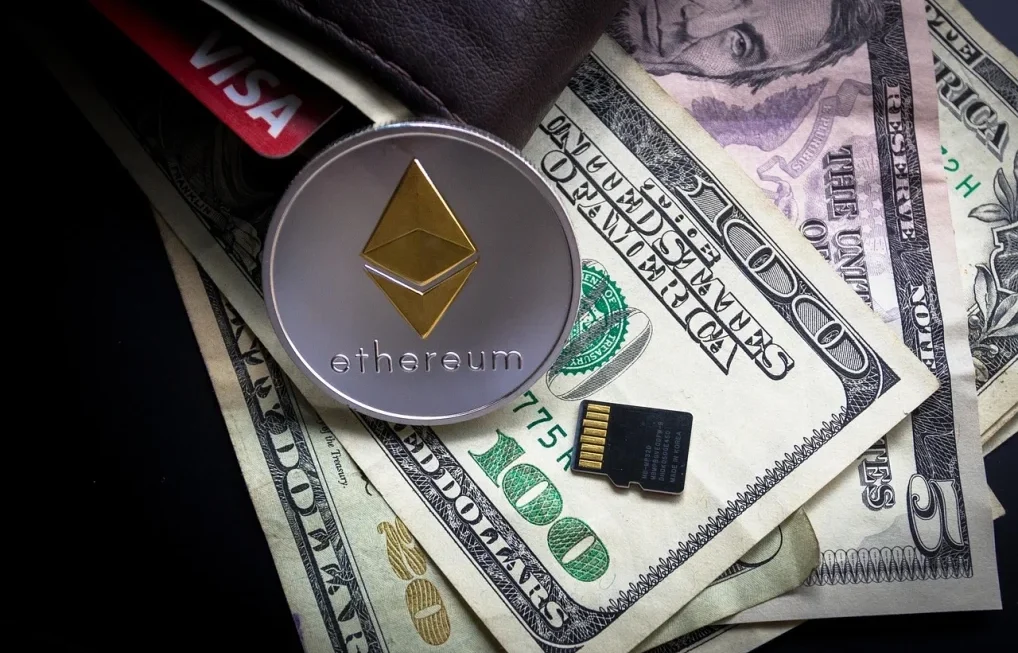
Understanding Cryptocurrency Diversification
Cryptocurrency diversification involves spreading investments across a range of different cryptocurrencies to mitigate risk and enhance potential returns. Unlike traditional assets, the crypto market is known for its volatility. A well-diversified portfolio can reduce the impact of market fluctuations on your overall investment value.
Researching Cryptocurrencies
Fundamental Analysis
Investors should begin with fundamental analysis, which includes researching the project’s whitepaper, use case, underlying technology, and team involved. Look for cryptocurrencies that solve real-world problems or offer innovative technologies. Key factors to consider include:
- Market Capitalization: Larger market cap cryptocurrencies tend to be less volatile. Bitcoin and Ethereum are considered stable bases.
- Use Case and Adoption: Analyze the project’s use case. Coins with clear utility in providing solutions are more likely to gain traction.
- Developer Activity: Tools like GitHub can provide insights into how actively a project’s developers are working on improvements.
Technical Analysis
Technical analysis involves examining price charts and trading volumes to predict future price movements. Utilize indicators like Moving Averages, Relative Strength Index (RSI), and Bollinger Bands to inform your decisions.
Allocating Your Investments
Asset Allocation Strategy
A common strategy is to allocate a larger percentage of your portfolio to stablecoins and established cryptocurrencies. For example:
- 40% in Major Coins: Invest in Bitcoin (BTC) and Ethereum (ETH), which are less prone to drastic price changes.
- 30% in Mid-Cap Coins: Choose coins that have solid use cases and still have room for growth, such as Chainlink (LINK) or Cardano (ADA).
- 20% in Emerging Altcoins: Look for new projects with significant growth potential, but be cautious due to higher volatility.
- 10% in Stablecoins: Keep some liquidity in stablecoins like USDC or Tether (USDT) to seize future investment opportunities without being affected by price swings.
Rebalancing Your Portfolio
Regular rebalancing ensures that your asset allocation remains aligned with your investment goals. This might involve selling portions of assets that have performed well and reallocating funds to underperforming assets, aiming to maintain your desired risk level and investment strategy.
Risk Management Techniques
Setting Clear Investment Goals
Identify your investment objectives and horizons. Are you looking for short-term gains or long-term growth? Knowing your goals helps in selecting appropriate assets and risk levels.
Risk Tolerance Assessment
Understanding your risk tolerance is crucial. Consider factors like investment horizon, financial situation, and emotional capacity to handle market downturns. A higher risk tolerance may lead you to embrace more volatile altcoins.
Diversification Beyond Cryptocurrency
Consider assets beyond cryptocurrency as part of your diversified portfolio. Stocks, bonds, and real estate can offer stability that complements your crypto investments.
Staying Updated and Engaged
Follow Market Trends
Keep an eye on industry news through news aggregators and social media platforms like Twitter and Reddit. Websites such as CoinDesk and CoinTelegraph offer insights into market changes, regulations, and technological advancements.

Join Crypto Communities
Engaging in communities like Discord or Telegram groups can provide real-time insights and foster valuable discussions with fellow investors and experts.
Tax Implications of Crypto Investments
Understand the legal and tax responsibilities involved in crypto investments. Different jurisdictions have varying rules regarding capital gains on cryptocurrencies. It’s crucial to keep accurate records and consult with a financial advisor or tax professional to ensure compliance.
Tools and Platforms for Diversification
Cryptocurrency Exchanges
Select exchanges that offer a broad range of cryptocurrencies and good security features. Popular exchanges include Binance, Coinbase, and Kraken. Make sure to choose platforms that meet your liquidity and trading needs.
Portfolio Management Tools
Utilize portfolio management tools and apps like Blockfolio, CoinTracking, and Delta. These tools help track performance, manage allocations, and analyze the market in real-time.
Understanding Market Cycles
Bull and Bear Markets
Recognizing whether the market is in a bull (rising) or bear (falling) phase can influence strategy. During a bull market, focus on building gains by investing in innovative projects. In bear markets, consider reallocating to stablecoins or major assets.
Cycle Phases
The crypto market tends to follow patterns. Understanding market phases (accumulation, uptrend, distribution, and downtrend) can guide your buying and selling decisions.
The Role of Security in Your Portfolio
Hardware Wallets
Storing cryptocurrencies in reliable hardware wallets enhances security. Devices like Ledger Nano S or Trezor provide added layers of protections compared to exchanges.
Two-Factor Authentication (2FA)
Activate 2FA on your accounts to minimize risks due to hacks. This additional layer requires a second form of identification when accessing your account.
Continuous Learning and Adaptation
The cryptocurrency landscape is constantly evolving. Regularly engage with educational resources such as courses, webinars, and eBooks to expand your knowledge. Adapt your portfolio and strategies based on new insights and market conditions.
Embracing Emotional Control
Investing in cryptocurrencies can trigger emotional responses, particularly in volatile markets. Develop a disciplined approach by setting predefined buy and sell limits to avoid panic-driven decisions. A successful portfolio requires patience and a long-term perspective.
Conclusion
Building a diversified cryptocurrency portfolio requires thorough research and strategic planning. Implementing good risk management techniques, maintaining an awareness of market dynamics, and consistently educating yourself can contribute to long-term successes in the fast-evolving world of digital assets. Always remember to adapt your strategies to match your financial goals, learning from each trade and market movement to enhance your investment acumen.