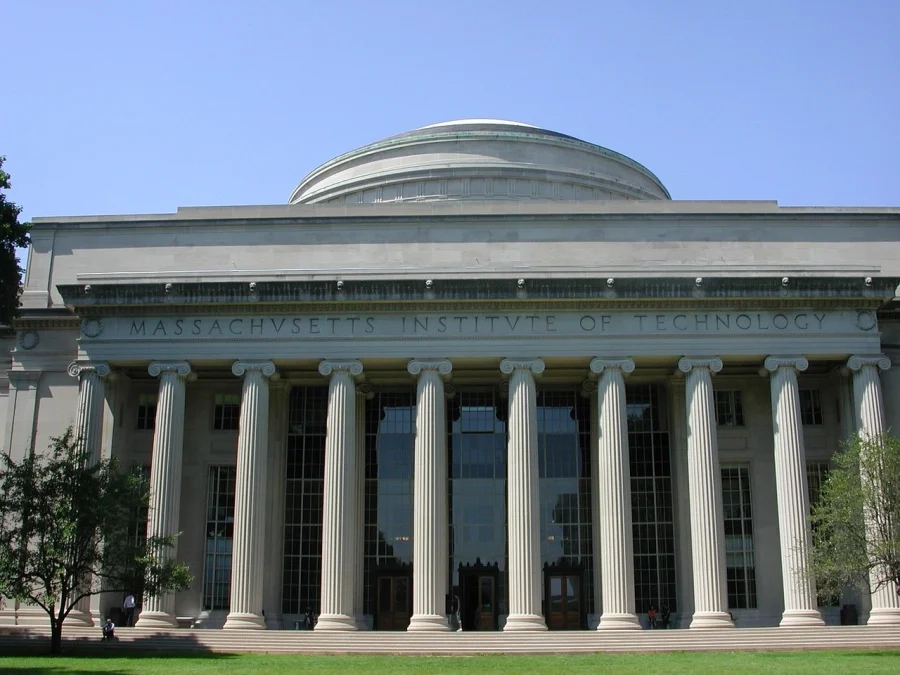
Understanding the Acceptance Rate for International Students at MIT
The Importance of Acceptance Rates
Acceptance rates are critical indicators for prospective students, particularly international applicants looking at top-tier universities like the Massachusetts Institute of Technology (MIT). Understanding how these rates function can unveil insights about the competitive nature of admissions, the institution’s priorities, and the diverse applicant pool.
Current Acceptance Rate Statistics
MIT’s overall acceptance rate generally hovers around 6-7%, but this figure fluctuates annually based on application volumes and institutional admission goals. Specifically for international students, acceptance rates are often lower due to the limited number of spots available compared to the high volume of applications. In recent admission cycles, international students constituted approximately 30-40% of the total applicant pool.
Breakdown of Applications
To fully grasp the acceptance rate, analyzing the application’s breakdown can yield valuable insights. Each year, MIT receives thousands of applications from around the world. In the Class of 2026, for instance, around 1,500 international students were admitted from a pool of over 30,000 total applications. The growing number of international applicants underscores a rising global interest in MIT and its robust, research-driven educational model.
Selection Criteria for International Students
The admission process at MIT is holistic, considering factors beyond academic metrics. Key elements include:
-
Academic Excellence: International students are expected to demonstrate outstanding academic performance in rigorous courses, often reflected through high school GPA, standardized test scores (e.g., SAT or ACT), and advanced coursework (AP or IB programs).
-
Standardized Tests: While MIT has adopted a test-optional policy for the coming years, international applicants must still showcase their capabilities through tests like TOEFL or IELTS, proving their proficiency in the English language.
-
Letters of Recommendation: Strong, personalized letters from teachers and mentors are crucial. They should convey not just the applicant’s intellectual prowess but also their character, motivation, and potential contributions to the MIT community.
-
Personal Essays: Applicants need to craft compelling essays that reflect their unique experiences, ambitions, and reasons for choosing MIT. This narrative aspect is often what sets candidates apart in a highly competitive field.
-
Extracurricular Involvement: Outside of academics, MIT values students who show commitment to extracurricular activities—be it in sports, the arts, or community service—demonstrating leadership, teamwork, and initiative.
- Interviews: An optional but recommended aspect of the application process, interviews provide an opportunity for candidates to express their personalities and clarify their aspirations directly to MIT alumni.

Understanding Competition Among International Applicants
The landscape of international applications is marked by incredibly high competition. As the interest in STEM (Science, Technology, Engineering, and Mathematics) fields soars globally, MIT becomes a prime target for talented students around the world. Consequently, applicants from countries with strong educational systems, such as China, India, and South Korea, tend to dominate the applicant pool.
Insights from Recent Admissions Cycles
Reviewing trends from recent admissions cycles can lend perspective. For instance, in the 2021 admissions cycle, MIT reported a surge in applications by 66% compared to the previous year, which corresponds with global shifts in the academic realm caused by the COVID-19 pandemic. The decrease in available slots and the increasing applicant pool led to a further decline in the acceptance rate, affirming the notion that gaining admission for international students is progressively challenging.
Strategies for Improvement
International applicants can enhance their chances by employing various strategies:
-
Early Preparation: Starting the preparation process in advance allows students to engage deeply with their chosen subjects and maintain high academic standings.
-
Building a Strong Profile: Focus on a well-rounded profile by getting involved in meaningful extracurricular activities, community service, or research projects that can be highlighted in applications.
-
Networking: Engaging with current MIT students or alumni can provide prospective applicants invaluable insights into the admissions process and MIT culture.
-
Insightful Essays: Allocate time for drafting and revising essays, ensuring they genuinely reflect the applicant’s voice and aspirations, while also aligning with MIT’s values.
- Utilizing Resources: Many online platforms provide resources specifically targeted at international applicants. Utilizing these resources can aid in understanding the nuances of the U.S. education system and MIT’s specific requirements.
Financial Aid and Its Effect on Acceptance Rate
Financial aid plays a significant role in the admissions process. MIT is known for its policy of need-blind admissions for U.S. students, but it is need-aware for international students. This means while financial circumstances may be considered during admissions for international candidates, it does not diminish the institution’s commitment to meeting the demonstrated financial need of admitted students.
Finding Your Niche at MIT
Another crucial factor influencing acceptance rates is MIT’s distinct culture, centered around innovation, collaboration, and entrepreneurship. Understanding and articulating how one fits within this culture can significantly impact an applicant’s prospects. Echoing MIT’s motto, “Mens et Manus” (Mind and Hand), applicants must highlight their dual commitment to academic excellence and practical application.
Conclusion on Admission Complexity
In summary, navigating the complexities of acceptance rates for international students at MIT is essential for prospective applicants. While the numbers may seem daunting, with careful planning, rigorous academic pursuit, and an authentic portrayal of oneself, pathways to success in MIT admissions remain attainable. Through diligent effort and strategic application crafting, many international students fulfill their aspiration of becoming part of MIT’s vibrant academic community, contributing to and enhancing its legacy of innovation.