US Shoppers Seize Holiday Deals Amid Economic Uncertainty
As the holiday season approaches, American shoppers find themselves navigating a landscape filled with economic uncertainty while seizing the opportunity to hunt for holiday deals. Rising inflation, fluctuating interest rates, and lingering effects of the COVID-19 pandemic have created an atmosphere of apprehension. Nevertheless, consumers are displaying a surprising resilience as they engage in holiday spending with a strategic mindset.
Consumer Sentiment and Spending Trends
Despite economic worries, recent surveys indicate that consumer confidence has shown signs of stabilization. According to the Conference Board, consumer sentiment rose in recent months, fueled by employment gains and wage increases in sectors like healthcare and technology. This renewed sense of optimism is reflected in shopping behavior, as consumers are ready to embrace the holiday spirit while remaining cautious about their budgets.
The National Retail Federation projects that holiday sales in November and December could increase between 6% and 8% compared to 2022, demonstrating that many Americans are prioritizing holiday celebrations. Shoppers are not just responding to traditional marketing tactics; they are also conducting thorough research before making purchases, seeking out discounts and promotions.
Strategic Shopping: The Rise of Early Deals
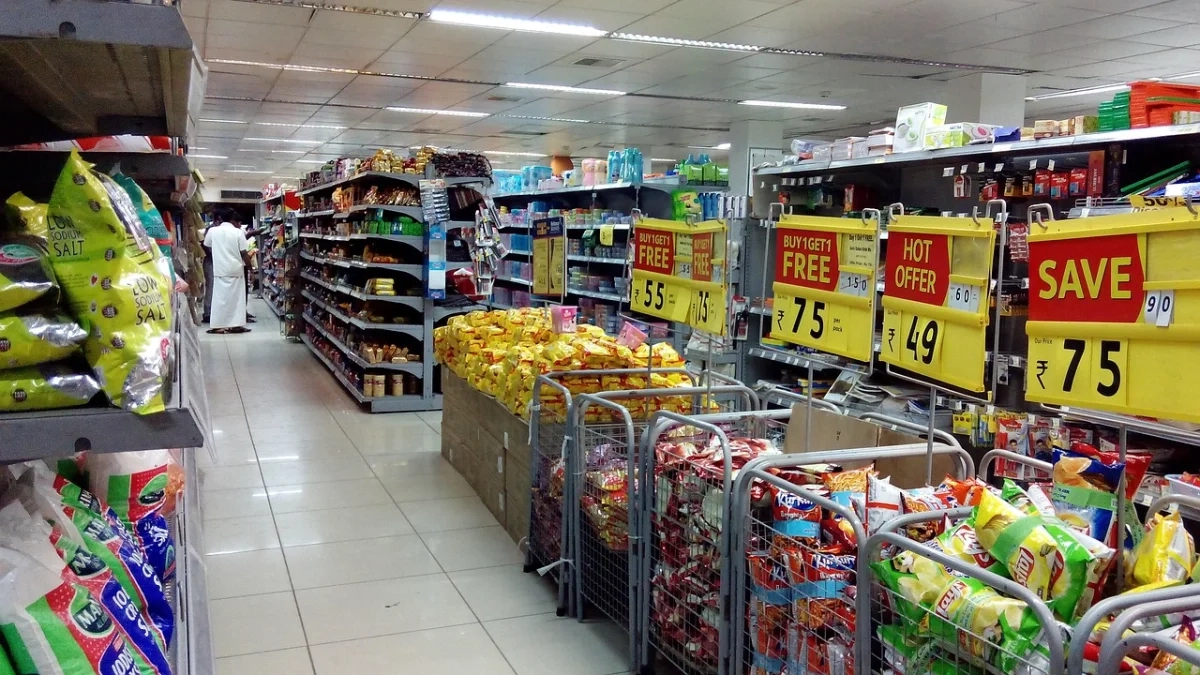
This year, retailers have adapted to the challenges posed by economic uncertainty by launching holiday deals earlier than ever. “Black Friday” and “Cyber Monday” sales are no longer confined to specific days; they now stretch across weeks, allowing consumers to spread out their spending. Many retailers have introduced early-bird discounts, luring shoppers with the promise of significant savings.
Moreover, e-commerce continues to grow in prominence, with consumers increasingly comfortable making purchases online. Data from Adobe Insights indicates that online sales during the early holiday shopping period have already surpassed expectations. With convenience and competitive pricing, e-commerce has become a favored shopping avenue, especially for tech gadgets, clothing, and home goods.
The Role of Inflation
Inflation has been a critical factor influencing consumer behavior this holiday season. Prices for everyday items have surged, prompting shoppers to approach their purchases with caution. Many consumers report planning their holiday budgets more meticulously than in previous years. According to a survey conducted by Deloitte, over 60% of respondents stated that they are adjusting their spending habits, seeking value for money and prioritizing essentials alongside gifts.
Retailers are responding by offering targeted promotions and bundling products to provide additional value. For example, electronics stores are running holiday bundle deals, combining popular devices with accessories at a discounted rate. Such promotions not only entice shoppers but also encourage them to spend more by providing the perceived value they seek.
The Importance of Sustainability and Ethical Shopping
In recent years, the notion of sustainability has gained traction among American consumers, influencing their purchasing decisions this holiday season. Many shoppers are mindful of their environmental impact, opting for gifts that prioritize eco-friendly materials and ethical practices. The desire to shop sustainably is reflected in the increasing popularity of brands that emphasize transparency in sourcing and manufacturing.
Retailers are taking notice, with numerous businesses promoting their sustainable lines during the holiday season. From eco-conscious fashion brands to home goods made from recycled materials, consumer choices reflect a broader commitment to sustainability. This trend not only resonates with shoppers but also positions retailers to foster brand loyalty among environmentally-conscious consumers.

The Shift in Gift-Giving Habits
Gift-giving habits are evolving in the face of economic constraints. Many consumers are opting for experiences rather than material items, leading to a growth in demand for event tickets, dining experiences, and subscription services. Research from Eventbrite reveals that many consumers are prioritizing spending on experiences over traditional gifts, suggesting a cultural shift towards creating memories rather than accumulating products.
Moreover, gifting is becoming more personalized. Shoppers are increasingly turning to custom gifts, which allow for a deeper connection to the recipient. Many online platforms now offer customizable options for everything from clothing to home decor, reflecting a desire for thoughtful, unique presents.
The Impact of Technology and Online Shopping
The intersection of technology and shopping has transformed the holiday experience. Mobile shopping is on the rise, with a substantial portion of consumers conducting research and completing transactions via their smartphones. Retailers are enhancing their mobile platforms to improve user experience, offering seamless integration of payment options and personalized recommendations.
Furthermore, augmented reality (AR) and virtual reality (VR) technologies are being utilized by retailers to create immersive shopping experiences. Brands are leveraging AR to allow customers to visualize products in their homes before making a purchase, while VR provides an innovative way to explore holiday offerings from the comfort of home. Such advancements are particularly appealing in a time when health and safety remain paramount considerations for consumers.
Loyalty Programs and Discounts
In a competitive retail environment, loyalty programs have gained prominence as shoppers seek value and rewards for their spending. Brands are not only offering discounts but also exclusive access to sales events for their loyal customers. This strategy cultivates a sense of connection and encourages repeat purchases throughout the season.
Many retailers are enhancing their loyalty programs by incorporating gamification elements, where customers can earn points and rewards through engaging activities. This approach not only keeps customers returning for future purchases but also promotes brand attachment.
Challenges Ahead
Despite the positive trends in consumer behavior, several challenges loom as the holiday shopping season unfolds. Supply chain disruptions continue to affect product availability, leading to potential delays in shipping times. Furthermore, economic conditions remain volatile, and shifts in interest rates or unexpected inflation could dampen consumer spending as the season progresses.
Retailers must navigate this complex landscape, continuing to adapt their strategies to meet changing consumer demands. A focus on transparency, inventory management, and effective marketing will be crucial in resonating with a diverse consumer base.
Final Thoughts
US shoppers are demonstrating adaptability amid economic uncertainty as they embark on their holiday shopping journeys. By prioritizing value, embracing technology, and seeking sustainable options, consumers are crafting a shopping experience that reflects both their values and desires. Retailers are stepping up to meet these needs through innovative strategies and early promotions designed to inspire spending. As the holiday season unfolds, all eyes will be on how consumers continue to navigate this blend of traditional and modern shopping habits.