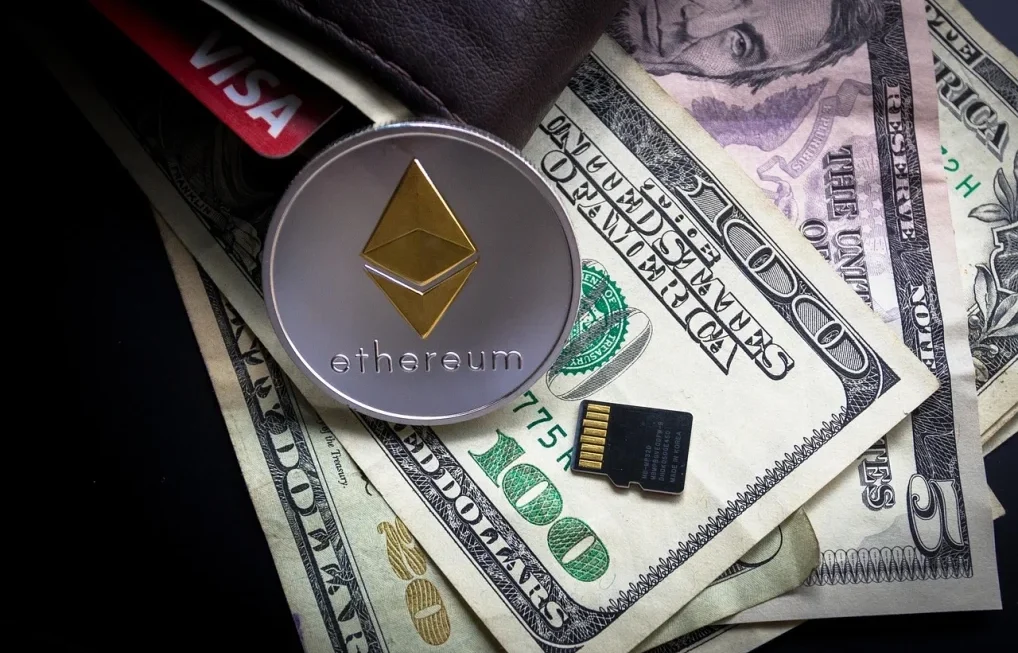
Cryptocurrency has become a fundamental component of the global financial landscape, with myriad investments vying for the attention of savvy investors. Among these, Ethereum (ETH) and Solana (SOL) stand out as two of the most discussed blockchains in the crypto space. Both platforms serve distinct purposes, but their competitive nature raises the question: which one is the smarter investment? This article dives deep into the comparison of Ethereum and Solana to help potential investors make informed decisions.
Technology Overview
Ethereum
Launched in 2015, Ethereum is a decentralized platform that enables developers to build and deploy smart contracts and decentralized applications (dApps). Its innovative approach introduced the concept of programmable blockchain, compelling it to become a leader in the DeFi (Decentralized Finance) and NFT (Non-Fungible Token) sectors. Ethereum primarily operates on the Proof of Work (PoW) consensus mechanism, though it has begun transitioning to Proof of Stake (PoS) with the Ethereum 2.0 upgrade. This shift aims to improve scalability, security, and energy efficiency.
Solana
Founded in 2020, Solana is designed for high throughput, making it one of the fastest blockchain networks available. Featuring a unique consensus mechanism known as Proof of History (PoH), Solana can process thousands of transactions per second, positioning it as a natural competitor to Ethereum. This efficiency makes it an attractive option for developers seeking to build high-performance dApps with low transaction costs.
Transaction Speed and Fees
Ethereum
Ethereum’s transaction speed can vary significantly based on network congestion. At peak times, users may experience delays and high transaction fees, known as “gas fees.” These fees can become prohibitive, ranging from a few dollars to several hundred during busy periods, which can deter everyday users and developers alike. However, with the move to Ethereum 2.0 and the introduction of Layer 2 solutions, the network aims to alleviate these bottlenecks.
Solana
In stark contrast, Solana is renowned for its speed and affordability. It boasts an impressive transaction processing ability—around 65,000 transactions per second—often with fees that are a fraction of a cent. This competitive edge makes Solana particularly appealing for projects that require fast execution and minimal costs, such as gaming and real-time applications.
Ecosystem and Development Community
Ethereum
Ethereum has a well-established ecosystem supported by thousands of developers and thousands of dApps. Its pioneering role in the DeFi and NFT spaces has garnered significant investment and attention, leading to robust support from venture capitalists and institutional investors. Major projects such as Uniswap, Chainlink, and OpenSea have emerged from Ethereum’s ecosystem, enhancing its value proposition.
Solana
Though newer in the blockchain realm, Solana has rapidly gained traction, attracting a vibrant community of developers and projects. Significant investments from prominent firms and venture capitalists have fueled its growth. The Solana ecosystem includes notable dApps such as Serum, Raydium, and Star Atlas. Despite its smaller ecosystem compared to Ethereum, the pace of development in Solana is accelerating, capturing interest from users and developers alike.
Security and Decentralization
Ethereum
Ethereum has a long-standing reputation for security due to its highly decentralized nature, supported by a vast network of validators and nodes. However, scalability issues have raised concerns regarding its vulnerability during peak congestion, prompting discussions about the effectiveness of its upcoming PoS model. Overall, Ethereum’s long history and robust security measures offer a degree of confidence to investors cautious about risk.
Solana
While Solana offers significant speed advantages, its level of decentralization has been questioned. With a smaller number of validators compared to Ethereum, risks such as network outages may arise; there have been incidents where Solana’s network experienced downtime. These security concerns could be a barrier for some investors prioritizing a highly decentralized environment.
Use Cases and Adoption
Ethereum
Ethereum’s versatility is its strong suit, with countless use cases spanning DeFi, NFTs, and enterprise solutions. The platform’s ability to adapt and innovate—coupled with the growing interest in smart contracts—positions it as a trusted choice for businesses and developers looking to leverage blockchain technology. Institutions increasingly explore Ethereum for transactional abilities, compliance, and asset tokenization, further enhancing its adoption.
Solana
Solana caters impressively to scalability demands and is becoming a go-to for gaming, microtransactions, and complex applications requiring speed. Its user-friendly infrastructure has attracted various sectors, from traditional finance to supply chain management. With significant partnerships and collaborations in the pipeline, Solana continues to expand its use cases, capturing a slice of the rapidly evolving crypto landscape.
Market Performance and Volatility
Ethereum
Ethereum has shown resilience throughout market cycles, often leading price movements in the cryptocurrency sector. Its established history, combined with broad adoption, has resulted in relatively predictable price trends despite bouts of high volatility. Investors often regard ETH as a long-term holding due to its foundational utility and strong backing in the market.
Solana
Solana’s market performance has been extraordinary since its inception, achieving substantial price gains that have attracted both retail and institutional investors. However, Solana’s market can be influenced by the volatility and speculative trends prevalent in newer cryptocurrencies, leading to more significant price swings. Investors should weigh the potential for high returns against exposure to volatility.
Conclusion
Analyzing Ethereum versus Solana involves various factors including technology, transaction efficiency, ecosystem development, security, use cases, and market behavior. Ethereum’s established presence and adaptability contrast with Solana’s speed and lower transaction costs. The smarter investment ultimately depends on the investor’s goals, risk preferences, and belief in long-term blockchain evolution. As crypto markets continue to mature, understanding what each project offers is crucial for informed investment decision-making.