What is 5G?
Fifth-generation wireless technology, or 5G, represents a monumental leap in mobile network capabilities. Unlike its predecessors (3G and 4G), 5G offers unprecedented data speeds, lower latency, and the ability to connect a vast number of devices simultaneously. With speeds potentially exceeding 10 Gbps, 5G is designed to support advanced applications that require high data throughput, ranging from augmented reality (AR) to automated vehicles.
Key Features of 5G Technology
-
Ultra-Fast Data Speeds: 5G networks can deliver download speeds up to 100 times faster than 4G. This rapid data transfer allows for high-definition video streaming, lag-free gaming, and seamless video conferencing, even in crowded areas.
-
Low Latency: The latency for 5G networks can be as low as 1 millisecond compared to about 30-50 milliseconds for 4G. This is crucial for real-time applications such as remote surgery and autonomous vehicles, where milliseconds can mean the difference between success and failure.
-
Massive Device Connectivity: 5G technology can support up to 1 million devices per square kilometer. This is particularly beneficial for the Internet of Things (IoT), where smart devices such as household appliances, wearables, and industrial sensors can communicate more efficiently.
-
Enhanced Bandwidth: The increased bandwidth of 5G allows it to accommodate more users and devices without degrading the quality of service. This is essential for densely populated urban areas, where data congestion is often a problem.
- Network Slicing: This innovative feature allows operators to create multiple virtual networks within a single 5G infrastructure. Each slice can be optimized for different use cases, ensuring that each device or application receives the bandwidth and speed it requires.
Impact on Global Connectivity
Transforming Communication
With 5G, the way we communicate is evolving at a rapid pace. Voice over IP (VoIP) applications, video calls, and social media platforms are becoming more robust, allowing for crystal-clear communication, even in the most crowded environments. High-definition video conferencing tools are becoming commonplace, significantly impacting business operations and remote work.
Enhancing Remote Work and Collaboration
5G is a game-changer for remote workers and businesses. With seamless connectivity, employees can access cloud applications, transfer large files, and communicate with colleagues without delays, enhancing productivity. Furthermore, companies are leveraging virtual and augmented reality tools for remote collaboration, training, and simulation, all made feasible by low-latency 5G networks.
IoT and Smart Cities
The rise of smart cities relies heavily on 5G technology. With its ability to connect countless devices, municipal services can utilize sensors for traffic management, waste disposal, and energy efficiency. For instance, intelligent traffic systems monitor and control traffic flow, reducing congestion and improving safety.
Moreover, smart devices in homes, such as thermostats and security systems, benefit from 5G’s high-speed connectivity, offering users greater control and efficiency. Cities equipped with 5G can also provide enhanced public safety, enabling real-time monitoring and quick response systems.
Healthcare Innovations
The healthcare industry is witnessing transformative changes driven by 5G technology. Telemedicine, which expanded during the COVID-19 pandemic, benefits from high-speed networks that support real-time consultations, remote monitoring, and the use of advanced diagnostic tools. Emergency services equipped with 5G can transmit critical patient data in real-time, allowing for better preparedness and response.
Moreover, breakthroughs in medical research often rely on vast amounts of data collected from connected devices, making 5G’s high bandwidth essential for innovative solutions, including AI-driven diagnostics and personalized medicine.
Autonomous Vehicles
5G technology is a cornerstone for the development of autonomous vehicles. The low latency allows vehicles to communicate with each other and infrastructure systems in real-time, enhancing safety and navigation capabilities. This communication can prevent accidents, optimize traffic flow, and enable self-parking features, among other benefits.
Additionally, the integration of V2X (vehicle-to-everything) communication systems, facilitated by 5G, enables vehicles to share data with pedestrians, cyclists, and traffic lights, improving overall road safety.
Global Economic Impact
The rollout of 5G is expected to significantly contribute to economic growth. According to various studies, 5G could add trillions of dollars to the global economy over the next decade. This growth is fueled by the development of new services and business models that arise from the tremendous capabilities of 5G technology.
Industries such as entertainment, automotive, healthcare, and manufacturing will likely experience boosts in productivity and efficiency, ultimately leading to new job creation and economic opportunities.
Connectivity in Emerging Markets
In developing regions, 5G holds tremendous potential for bridging the digital divide. Enhanced connectivity can provide better access to education, healthcare, and information, empowering communities in rural and underserved areas. By providing access to high-speed internet, 5G can stimulate local economies and enable entrepreneurs to reach broader markets.
Challenges and Considerations
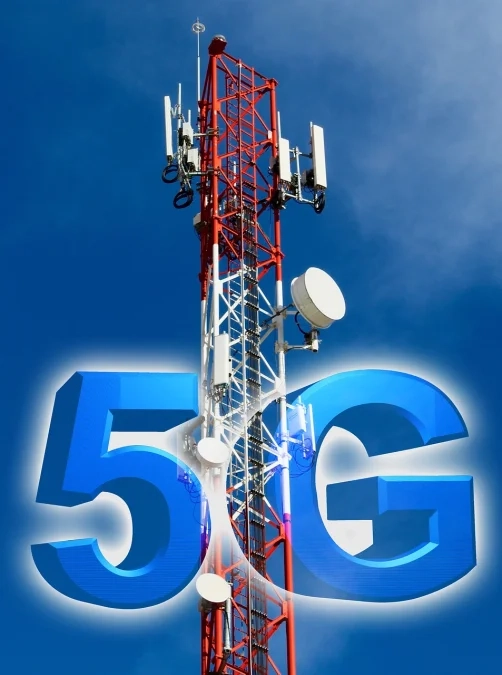
Despite its transformative potential, the rollout of 5G does face challenges. Infrastructure investment is a significant barrier in many countries, as deploying 5G requires substantial capital for the installation of new towers and equipment. Additionally, concerns regarding cybersecurity and data privacy in an increasingly connected world must be addressed comprehensively.
Governments and businesses will need to work collaboratively to establish regulations that protect users while fostering innovation. Public perception and acceptance of 5G technology will also play a vital role in the adoption process.
The Future of 5G and Connectivity
As 5G continues to proliferate worldwide, the technology will serve as a foundation for future advancements in connectivity. Emerging technologies such as artificial intelligence, machine learning, and advanced data analytics will play increasingly significant roles in enhancing the capabilities of 5G networks.
In summary, 5G is not just an upgrade in mobile connectivity; it is a revolutionary technology that promises to reshape industries, economies, and everyday lives globally. Through its fast speeds, low latency, and extensive device connectivity, 5G is paving the way for a future characterized by improved communication, smarter cities, enhanced healthcare, and more connected lives. The journey has just begun, and its implications will shape our technological landscape for years to come.