Retail Tech Firms Anticipate Holiday Spending Boom Following Cyber Monday
As the holiday season approaches, retail tech firms are buzzing with anticipation, eager to capitalize on the post-Cyber Monday shopping surge. The surge in online shopping during the last week of November has set the stage for a significant increase in consumer spending as the year closes. Retail technology firms play a crucial role in shaping this landscape, offering tools that enhance shopping experiences, streamline operations, and drive sales growth.
Understanding the Cyber Monday Phenomenon
Cyber Monday, which falls on the Monday following Thanksgiving, has emerged as one of the busiest online shopping days of the year. Originally coined in 2005, this day has grown exponentially, resulting in record-breaking sales. In 2022, Cyber Monday sales reached nearly $11.3 billion in the United States alone, and projections for subsequent years remain optimistic. This shopping event significantly influences consumer behavior, with many consumers beginning their holiday shopping online, motivated by discounts and convenience.
The Role of Retail Tech
Retail tech firms are at the forefront of this explosive growth. They provide a range of solutions that enhance customer experiences and optimize backend systems. Key areas where retail tech firms are making an impact include:
-
E-Commerce Platforms: Retail tech firms develop robust e-commerce platforms that facilitate seamless transactions. Companies like Shopify and BigCommerce offer merchants customizable solutions that allow them to build their online stores without extensive technical know-how. Such platforms are essential for accommodating increased traffic from holiday shoppers.
-
Mobile Shopping Solutions: With the rise of mobile commerce, companies are investing heavily in apps and mobile platforms that provide hassle-free shopping experiences. Features such as mobile wallets and one-click purchasing are becoming standard, helping to capture a broader customer base and improve conversion rates.
-
AI and Personalization: Advanced technologies, including artificial intelligence, are being increasingly integrated into retail strategies. Personalization algorithms analyze customer behavior, enabling retailers to offer recommendations tailored to individual preferences. Retail tech firms like Salesforce and Adobe are leaders in this domain, providing tools that enhance customer engagement and loyalty.
-
Inventory Management Systems: Effective inventory management is critical during the holiday season, especially with the potential for supply chain disruptions. Retail tech firms offer solutions that help businesses manage inventory levels in real-time, keeping shelves stocked and satisfying customer demand.
- Customer Relationship Management (CRM): CRM systems are vital for building long-term customer relationships. Platforms from firms like HubSpot and Zoho CRM help retailers track interactions, segment audiences, and target marketing campaigns more effectively, thus driving repeat sales and enhancing customer satisfaction.
Driving the Holiday Spending Boom
In preparation for the anticipated holiday spending boost, retail tech firms are enhancing their offerings to assist businesses in maximizing profits. The following strategies have emerged as key to capitalizing on the Cyber Monday momentum:
-
Data Analytics: Retailers are leveraging sophisticated analytics tools to gain insights into shopping trends. By analyzing data from previous years, firms can forecast inventory needs, adjust pricing strategies, and create promotional campaigns that resonate with their audience.

-
Omnichannel Strategies: The integration of online and offline shopping experiences is paramount. Retail tech firms are supporting omnichannel strategies that enable customers to browse online and buy in-store or vice versa. This approach increases overall sales volume and creates a more cohesive shopping experience.
-
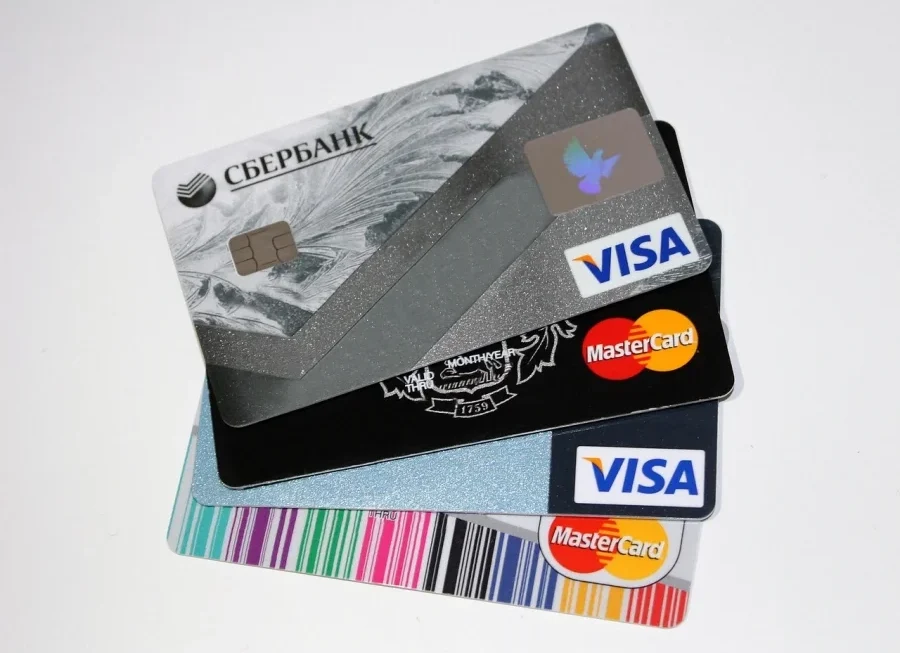
Enhanced Payment Solutions: Simplifying the checkout process is critical for reducing cart abandonment rates, particularly during high-traffic periods. Retail tech firms are innovating new payment solutions, including Buy Now, Pay Later (BNPL) options, which have gained popularity among consumers looking for flexible purchasing options.
-
Augmented and Virtual Reality: Immersive technologies are making inroads into retail. AR and VR allow customers to visualize products in their homes or explore virtual showrooms, bridging the gap between online and in-store experiences. Retail tech firms are developing these innovations to engage customers in unique ways, especially during the holiday shopping season.
- Social Media Commerce: Social media platforms are becoming increasingly vital for retail sales. Retail tech firms are helping brands establish a stronger presence on platforms like Instagram and TikTok, optimizing their content for discovery and driving direct sales through shoppable posts.
Anticipated Trends for the Holiday Season
The excitement surrounding the holiday shopping boom is coupled with an understanding of emerging trends that will shape the retail landscape:
-
Sustainability: More consumers are seeking sustainable products and practices. Retailers that emphasize eco-friendly practices and products in their marketing campaigns stand to attract conscientious shoppers during the holidays.
-
Experiential Shopping: As consumers seek memorable experiences, brands are focusing on experiential shopping. Retail tech firms provide solutions for in-store events or virtual experiences that engage customers emotionally, fostering brand loyalty.
-
Community Focus: Local businesses are carving out a niche by promoting community support. Retail tech firms are developing platforms that enable consumers to find and support local businesses easily, especially during the holiday season.
-
Flexible Return Policies: To ease consumer reluctance, retailers are adopting more flexible return policies. Retail tech firms are advising clients on implementing hassle-free returns, fostering customer confidence and encouraging purchases.
- Subscription Services: The increasing popularity of subscription boxes presents a unique opportunity for retailers to build recurring revenue streams. Retail tech firms are helping companies design these programs, catering to a variety of customer preferences and boosting customer retention.
Conclusion
Retail tech firms find themselves at a pivotal moment as they prepare to assist businesses in navigating the expected holiday shopping surge following Cyber Monday. With technological innovations and strategic insights tailored to meet evolving consumer demands, these firms are poised to transform the retail landscape throughout the holiday season.