Background on the S&P 500
The S&P 500 (Standard & Poor’s 500) serves as a benchmark for the overall health of the U.S. economy, comprising 500 of the largest publicly traded companies. The index covers various sectors, including technology, healthcare, financials, consumer goods, and more. Investors and analysts closely monitor movements in the S&P 500, as it reflects market sentiment, investor confidence, and economic forecasts.
Recent Record Highs
Recently, the S&P 500 has reached new record highs, driven by enthusiasm around several key sectors, notably technology. This surge has largely been attributed to rapid advancements in artificial intelligence (AI), shifting the focus from traditional business strategies to innovative technologies that promise increased efficiency and profitability.
The AI Stock Surge
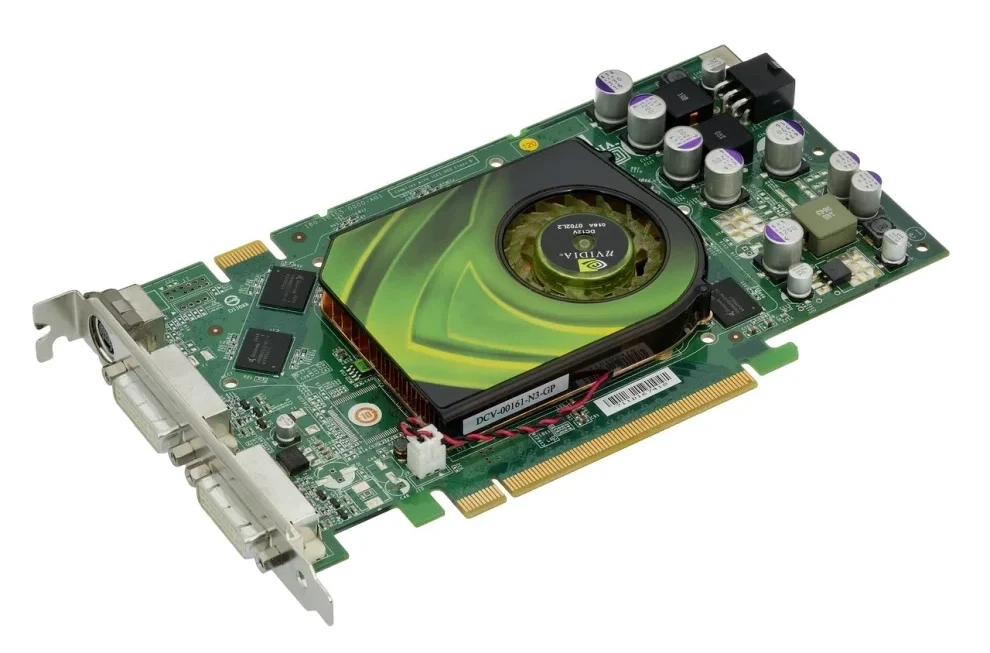
AI stocks have seen significant growth, with notable companies like NVIDIA, Alphabet, Microsoft, and Tesla leading the way. These firms have made substantial investments in AI technologies, creating products and solutions that are reshaping industries and consumer behaviors. For example, NVIDIA’s graphics processing units (GPUs) are essential for AI training models, while Microsoft has integrated AI into its Office suite, enhancing productivity tools for millions of users.
NVIDIA
NVIDIA, a frontrunner in GPU technology, has been pivotal in the AI revolution. The company’s stock has soared due to its cutting-edge AI chips essential for machine learning and deep learning applications. As organizations across various sectors adopt AI solutions, NVIDIA’s market position strengthens, contributing to its stock price increase and, consequently, the overall rise of the S&P 500.
Alphabet
Alphabet’s Google has also heavily invested in AI, particularly in natural language processing and cloud computing. Innovations like Google Assistant and the automation of data analysis have catalyzed growth, as businesses strive for efficiency. Alphabet’s efforts in AI have not only improved its service offerings but also significantly contributed to its revenue growth, positively impacting the S&P 500.
Microsoft
Microsoft is leveraging AI technology to enhance its software solutions. With products like Azure and AI tools integrated into its Microsoft 365 suite, the company is carving out a significant market presence in the AI sector. Microsoft’s initiatives have attracted corporate clients looking to streamline operations through AI, leading to a surge in stock prices.
Historical Context of the S&P 500 Peaks
Throughout history, the S&P 500 has experienced numerous peaks, often correlated with technological advancements. The tech boom of the late 1990s, the post-recession recovery in the 2010s, and now the current AI-driven growth illustrate how innovation directly impacts market performance. Investors should look back to understand current trends better; past peaks provide valuable lessons in navigating clusters of investment opportunities, especially concerning technology stocks.
Investor Sentiment

Investor sentiment surrounding AI stocks is predominantly positive, with many viewing the sector as a long-term growth driver. Market analysts forecast continued momentum in tech sectors, buoyed by advancements in AI. Such optimism is reflected in soaring stock prices, increasing the S&P 500’s overall performance.
Risk Factors
However, the surfeit of excitement must be tempered by caution. Investing solely in AI stocks carries risk, as rapid valuation increases can lead to market corrections. Historical trends illustrate how sentiment can shift swiftly, turning bullish investor outlooks into bearish responses when fundamentals fail to support elevated prices.
Diversification Strategies
For investors, diversification remains crucial. Focusing solely on high-flying AI stocks can expose portfolios to volatility. Instead, a balanced approach incorporating various sectors—healthcare, consumer staples, and utilities—while also maintaining some exposure to technology can mitigate risks. Adopting a diversified strategy offers resilience in fluctuating market conditions while still allowing participation in growth opportunities.
Investment Horizon
Investors need also to define their investment horizons clearly. Those seeking short-term gains may find volatility daunting, while a long-term investment perspective allows one to ride out periodic corrections. AI technologies will likely continue advancing, suggesting that long-term investors may see substantial returns if they are willing to weather the ups and downs of the market.
Research and Monitoring
Due diligence is essential for navigating the booming AI landscape. Investors should regularly monitor market trends, analyze company performance, and stay informed about technological developments that could disrupt or enhance stock valuations. Utilizing analytical tools, reading financial reports, and reviewing expert analyses are critical for informed decision-making.
Regulatory Landscape
The AI landscape is also subject to regulatory scrutiny. Investors should keep an eye on emerging regulations that could impact AI companies, from data privacy laws to antitrust concerns. These factors may affect operational capabilities and ultimately stock performance, making it vital to stay informed about potential regulatory changes.
Global Economic Factors
Finally, broader economic factors significantly influence the performance of the S&P 500 and AI stocks. Inflation rates, interest rates, and economic growth forecasts all play a role in shaping investor confidence and market dynamics. Current economic indicators suggest a cautious recovery, which could either spur further investment in AI or create headwinds affecting market confidence.
Conclusion
The recent surge in the S&P 500, primarily driven by AI stocks, highlights the transformative power of technology in the marketplace. While the prospects for AI companies are robust, a prudent investment strategy should encompass diversification, an understanding of market risks, and an awareness of both technological and regulatory shifts that could influence the future of investing in this dynamic sector. By staying informed and adopting a balanced approach, investors can position themselves to capitalize on the growth potential of AI while mitigating the inherent risks associated with emerging technologies.