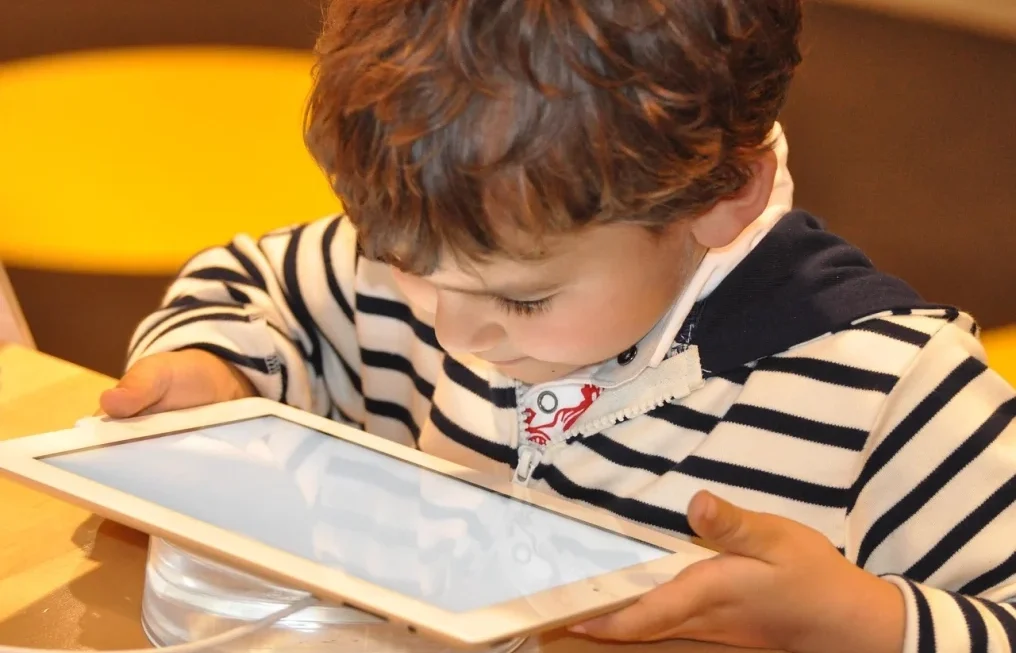
Top 10 Educational Technology Tools to Support Special Education Students
1. GoNoodle
GoNoodle is an innovative platform that offers movement and mindfulness videos designed to engage students in physical activity while helping them focus. Special education students often benefit from kinesthetic learning opportunities, and GoNoodle helps address this need. With a plethora of brain breaks, movement challenges, and calming exercises, teachers can integrate GoNoodle into their daily schedules to enhance focus and compliance in the classroom. The platform is accessible and free, making it a valuable resource for educators aiming to incorporate more movement into their lessons.
2. Speech Blubs
Speech Blubs is a speech therapy app specifically crafted for children aged 2–8 years. Ideal for students with speech delays or disorders, it uses engaging videos of real children to model speech sounds and words. The app includes interactive games that promote vocabulary development and articulation. Teachers and parents can track progress and utilize the app’s personalized speech plans to target specific speech challenges. The user-friendly interface ensures that even the youngest learners can engage independently or with minimal guidance.
3. StoryJumper
StoryJumper provides a platform for children to create their own illustrated books. This tool is exceptionally beneficial for special education students who may struggle with traditional writing tasks. It allows learners to craft stories using a mix of text and visuals, fostering creativity while promoting literacy skills. The platform is intuitive, offering templates, images, and a simple drag-and-drop interface, making it accessible for students with diverse learning needs. Educators can utilize StoryJumper to support narrative skills and enhance student motivation towards writing.
4. ClassDojo
ClassDojo is a classroom management app that connects teachers, parents, and students through a shared communication platform. It allows teachers to give real-time feedback to students on behavior and participation, providing a visual and interactive method for tracking progress. Since special education students often thrive with visual reinforcement, the app creates a positive learning environment where achievements can be celebrated. Additionally, ClassDojo’s ‘Stories’ feature enables teachers to share classroom events and updates with parents, fostering a stronger home-school connection.
5. Learning Ally
Learning Ally is an audio book platform that specifically supports students with print disabilities, including dyslexia and visual impairments. With a vast library of human-narrated books, students can access literature and educational texts in a format that supports their learning styles. This tool also includes features such as highlighting text during playback, which aids comprehension and retention. Learning Ally’s user-friendly interface makes it an essential resource for students who may require modifications to access grade-level materials.

6. Proloquo2Go
Proloquo2Go is a symbol-supported communication app that assists non-verbal or minimally verbal students in expressing their thoughts and needs. Designed to be user-friendly, the app provides customizable vocabulary options based on the student’s age and experience level. With a range of symbols and voice options, it becomes adaptable to individual communication requirements in diverse settings, such as school and home. This tool empowers special education students to participate in conversations and social interactions, thereby enhancing their ability to connect with others.
7. ModMath
ModMath is a digital platform that supports students with learning disabilities in completing math assignments. The app allows users to solve math problems without the stress of writing by hand, which can be particularly challenging for those with dysgraphia or similar issues. It offers features such as virtual graph paper, an equation finder, and the ability to save their work digitally for review. By providing tools that minimize frustration, ModMath allows students to maintain independence and confidence in their math skills.
8. MindMeister
MindMeister is a mind mapping tool that supports students in organizing their thoughts and ideas visually. It’s particularly beneficial for learners with executive functioning challenges, allowing them to break down complex tasks into manageable parts. The collaborative aspect of MindMeister also enables group assignment work, where peers can contribute in real-time. This interactive element fosters communication and teamwork skills among special education students, making it an effective engagement tool in both individual and group settings.
9. Epic!
Epic! is a digital library filled with a diverse range of books, audiobooks, and educational videos that cater to children up to 12 years old. Its extensive selection makes it an excellent resource for special education teachers, offering varied styles and formats suited to different reading levels. With features like read-aloud and quizzes, Epic! supports comprehension and engagement, allowing students to explore subjects that interest them. The platform is accessible through a simple interface and is often free for teachers, promoting literacy without financial barriers.
10. Clicker 7
Clicker 7 is a versatile writing support tool designed for students at various literacy levels. It allows users to create texts through a combination of word prediction, speech-to-text, and vocabulary support. This app is particularly useful for students with learning difficulties who may struggle with writing fluency. Its customizable features enable educators to tailor the tool to meet individual student needs, providing support without removing the creative aspects of writing. Clicker 7 facilitates a seamless integration of technology into literacy instruction, encouraging all learners to express themselves effectively.
These educational technology tools bridge diverse learning needs, providing support and fostering independence. By incorporating these resources, educators can create more inclusive and effective learning environments for special education students, empowering them to thrive academically and socially.